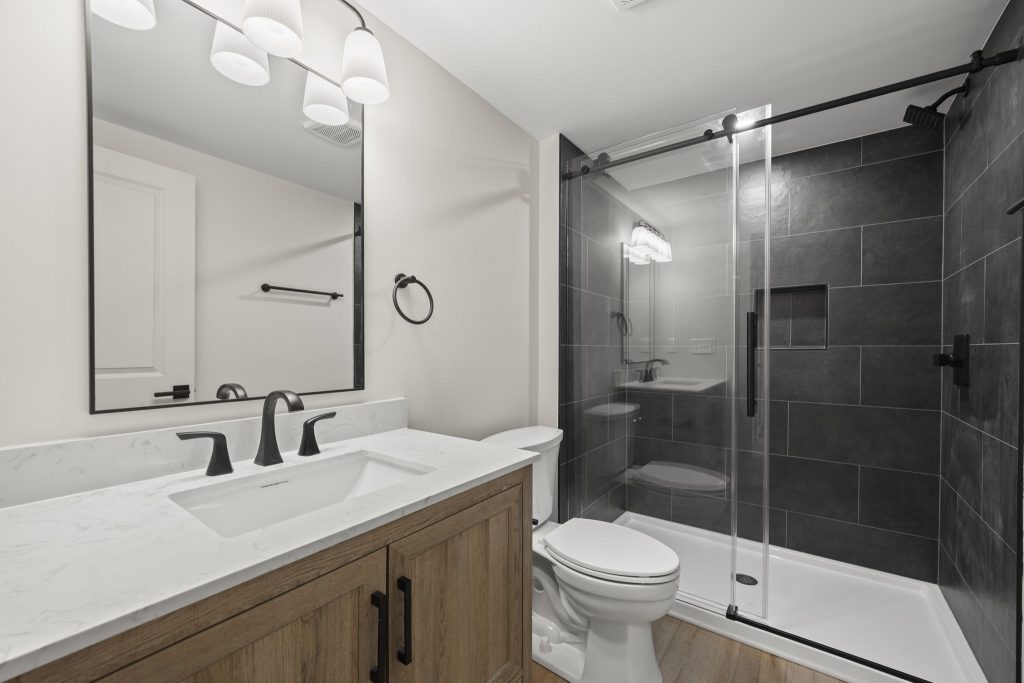
A bathroom remodel is an opportunity to make one of the most frequently used spaces in your home work harder for your lifestyle. Whether you’re dreaming of a luxury walk-in shower, just want an updated vanity, or need an accessible bathroom transformation, the right planning can make all the difference.
But what actually goes into remodeling a bathroom?
It’s easy to get caught up in design inspiration, fixtures, and finishes. Once you start considering budgets, plumbing, permits, and construction schedules, however, the process can become more complicated than expected.
That’s where our comprehensive bathroom remodeling checklist comes in handy.
At CORE Renovation, we help homeowners throughout Columbus and Central Ohio navigate residential renovations, from initial planning through final construction. We’ve put together this checklist to help you organize your ideas, understand your options, and prepare for a successful bathroom remodeling project.
Whether you’re planning a DIY renovation or working with an experienced design-build contractor, here’s what you’ll want to consider before getting started.
Your Complete Bathroom Remodeling Checklist
Before construction begins, you’ll need to establish a budget, identify your priorities, select materials, and determine who will complete the work.
Use the following checklist to keep track of your decisions and make sure important details aren’t overlooked.
Step 1: Establish Your Bathroom Remodeling Budget
Your first step should be determining how much you’re comfortable investing in your bathroom renovation.
A realistic budget should account for everything, not just fixtures and materials. Labor, design services, permitting, demolition, and unexpected repairs can all affect your total investment. We’d also caution not to believe every cost estimate article available – while Angi’s List does offer a solid beginner range for bathroom renovation costs, every project will be different according to its personal scope and needs.
If you’re renovating an older bathroom, it’s also wise to plan for potential discoveries behind walls or beneath flooring, such as moisture damage or outdated plumbing.
Total Bathroom Remodeling Budget: $________________
Budget Planning Checklist
- Establish your total renovation budget
- Research general material and labor costs
- Account for design and planning services
- Include applicable permitting and inspection costs
- Set aside a contingency for unexpected repairs
- Consider temporary bathroom accommodations if necessary
- Identify must-have features versus optional upgrades
If your home only has one bathroom, think about how you’ll manage daily routines during construction. Depending on the scope of work, you may need temporary accommodations or access to another bathroom.
Step 2: Gather Bathroom Design Ideas and Identify Priorities
This is where you get to have some fun!
Before narrowing down your design, think about how your existing bathroom functions and what you’d like to improve. Do you need more storage? Is your shower difficult to access? Would a double vanity make busy mornings easier? Maybe you’re simply ready to replace dated finishes with something more modern. If your bathroom has a tiny footprint, you could also consider these small bathroom remodeling ideas for inspiration.
Consider which features will do the most work to improve your daily routine and which are primarily aesthetic preferences.
Bathroom Design Checklist
- Walk-in shower
- Frameless glass shower enclosure
- Freestanding soaking tub
- Bathtub and shower combination
- Double-sink vanity
- Custom vanity cabinetry
- Heated bathroom flooring
- Heated towel racks
- Built-in linen storage
- Recessed shower niches
- Updated bathroom lighting
- Improved ventilation
- Accessible or aging-in-place features
- Additional electrical outlets
- Water-efficient plumbing fixtures
- Other: __________________
Of course, you don’t necessarily need every feature on this list! Instead, the goal of the list is to identify which improvements make the most sense for your space, lifestyle, and budget.
Step 3: Plan Your Bathroom Renovation
Once you’ve established your priorities, it’s time to turn your ideas into a realistic construction plan.
If you’re working with a professional bathroom remodeling contractor, start by scheduling consultations and discussing your goals. We recommend speaking with multiple contractors before making your decision. Comparing proposals, communication styles, and project approaches can help you find the right fit.
Not sure where to get started? We put together a shortlist of our favorite renovation teams located right here in Central Ohio, and you can explore our portfolio too.
Bathroom Renovation Planning Checklist
- Research local bathroom remodeling contractors
- Review portfolios and completed renovation projects
- Determine whether you’ll hire a contractor or complete portions yourself
- Schedule consultations with three contractors
- Discuss your design goals and budget
- Review project proposals and scope of work
- Confirm who handles permits and inspections
- Review contracts, warranties, and payment terms
- Establish a preliminary project timeline
- Take before photos
- Finalize your construction agreement
If you’re considering DIY work, identify which tasks you’ll handle:
- Design and layout planning
- Demolition
- Painting
- Plumbing
- Electrical work
- Flooring installation
- Tile installation
- Vanity installation
- Fixtures and finishing details
Keep in mind that plumbing, electrical, and structural work may require specific permits, inspections, or appropriately licensed professionals. Always confirm local requirements before beginning.
Step 4: Select Your Bathroom Remodeling Materials
Your materials will influence how your finished bathroom looks, feels, and performs over time.
While appearance matters, durability, moisture resistance, cleaning requirements, and long-term maintenance should also influence your choices.
Use the following lists to compare options.
Bathroom Flooring
- Porcelain tile
- Ceramic tile
- Natural stone tile
- Marble tile
- Luxury vinyl tile
- Luxury vinyl plank
- Engineered hardwood, where suitable
- Other: __________________
Bathroom Countertops
- Quartz
- Granite
- Marble
- Solid-surface composite
- Concrete
- Tile
- Laminate
- Other: __________________
Bathroom Vanity
- Natural or stained solid wood
- Painted solid wood
- Engineered wood cabinetry
- Floating vanity
- Custom-built cabinetry
- Double-sink vanity
- Other: __________________
Tub and Shower Materials
- Ceramic subway tile
- Porcelain tile
- Hexagonal tile
- Large-format tile
- Natural stone
- Solid-surface shower panels
- Frameless glass enclosure
- Prefabricated shower surround
- Other: __________________
Fixtures and Finishing Details
- Bathroom faucets
- Showerhead and controls
- Bathtub
- Toilet
- Vanity sinks
- Mirrors
- Vanity lighting
- Exhaust fan
- Cabinet hardware
- Towel bars and accessories
Make sure your selections are compatible with the intended installation. For example, a tile shower will need a solid waterproofing system beneath the finished surface, and some types of natural stone might need sealants or other additional maintenance.
Step 5: Coordinate Labor, Materials, and Construction
Even a relatively small bathroom renovation can involve several specialized trades. A professional general contractor typically coordinates the construction schedule, subcontractors, material deliveries, and required inspections.
If you’re managing the renovation yourself, you’ll need to make sure each phase is completed in the correct sequence. If you hire a trusted design-build team like us, we can schedule everything for you — so you can sit back and relax.
Bathroom Remodeling Labor Checklist
- General contractor (or design-build team)
- Designer or architect, if needed
- Plumber
- Electrician
- Demolition contractor
- Tile installer
- Flooring specialist
- Cabinet or vanity installer
- Painter
- Glass shower enclosure installer
- Required inspections
- Final walkthrough and punch list
Material and Vendor Coordination
- Bathtub and shower fixtures
- Toilet
- Flooring and tile
- Vanity and cabinetry
- Countertops
- Lighting and electrical fixtures
- Shower glass
- Accessories and hardware
Before construction begins, confirm which materials are ordered, when they’re expected to arrive, and who’s responsible for receiving and inspecting them.
Benefits of Remodeling Your Bathroom
For homeowners in Columbus and Central Ohio, there are several reasons to consider investing in a bathroom remodel.
Improve Everyday Comfort and Functionality
Your bathroom should be comfortable, accessible and easily navigable for the people who use it. If you’re constantly dealing with limited counter space, poor lighting, or inadequate storage, remodeling gives you the chance to address those frustrations directly.
A thoughtfully designed bathroom might include a larger shower, a more functional vanity, additional cabinets, or an improved layout that makes the room easier to navigate.
These practical improvements make a noticeable difference in your daily routine.
Create a More Luxurious Bathroom Experience
You don’t need to visit a spa to enjoy a relaxing bathroom environment. Features like a soaking tub, rainfall showerhead, heated flooring, or custom tiling can transform an ordinary bathroom into a more comfortable retreat.
Luxury bathroom remodeling also allows you to personalize finishes, lighting, fixtures, and storage around your preferences. Whether your style leans traditional, contemporary, mid-century modern or somewhere in between, a custom renovation gives you greater control over the finished space.
Make Your Bathroom More Accessible
Bathroom remodeling is also an opportunity to plan for changing mobility and accessibility needs.
For homeowners interested in aging in place, features such as curbless showers, strategically placed grab bars, slip-resistant flooring, and wider entryways can improve accessibility.
Even if you don’t need these features today, incorporating them during a renovation can help your bathroom remain functional as your household’s needs change.
Address Aging Plumbing, Moisture, and Ventilation Issues
Bathrooms are constantly exposed to moisture, making proper installation and ventilation especially important. Older bathrooms may contain deteriorating grout, leaking fixtures, or insufficient ventilation.
A renovation provides an opportunity to investigate existing conditions and address underlying problems before installing new finishes. Upgrading ventilation, waterproofing, and plumbing components where necessary can help protect your investment and reduce the likelihood of future moisture-related repairs.
Improve Your Home’s Resale Appeal
Thinking about your home’s value? Updated bathrooms are also attractive to prospective buyers, particularly when they offer practical layouts, durable finishes, and modern fixtures.
While the financial return on a bathroom remodel varies based on the property, local market, and scope of work, a well-executed renovation may improve your home’s marketability.
Even if you’re not planning to sell anytime soon, the everyday benefits of a more comfortable and functional bathroom can make the investment worthwhile.
Why Every Step of Your Bathroom Remodeling Checklist Matters
Now that you’ve reviewed the checklist and the benefits of remodeling, let’s take a closer look at why each planning category is important.
Understanding the reasoning behind these decisions can help you avoid preventable delays, unnecessary expenses, and design choices that don’t meet your long-term needs.
1. Why Establishing a Budget Comes First
A clear budget helps determine what’s realistic before you become committed to specific materials or design features.
For example, relocating a shower or toilet may require changes to existing plumbing, while keeping fixtures in their current locations can sometimes simplify the renovation.
Similarly, custom cabinetry, natural stone, and specialized fixtures may require more extensive installation work than standard alternatives.
Your budget should reflect both your design priorities and the underlying construction requirements.
It’s also important to include a contingency. Bathroom renovations sometimes reveal hidden conditions, particularly in older homes where water damage or previous repairs may not be visible until demolition begins.
Discussing these possibilities with your contractor early helps establish realistic expectations.
2. Why Your Bathroom Layout Deserves Careful Consideration
The layout is one of the most important elements of a successful bathroom remodel.
A beautiful bathroom won’t necessarily be functional if the shower feels cramped, the vanity blocks a doorway, or there’s insufficient clearance around fixtures.
Before finalizing your design, consider how people move through the room and use its features.
For shared bathrooms, a double vanity may reduce congestion during busy mornings. In smaller bathrooms, a walk-in shower or wall-mounted vanity might help create a more open feeling.
Your contractor can also evaluate whether proposed layout changes affect plumbing, electrical systems, ventilation, or structural components.
The earlier you address these details, the easier it becomes to develop a coordinated construction plan.
3. Why Choosing the Right Bathroom Remodeling Contractor Matters
Bathroom renovations require multiple systems to work together.
Plumbing, electrical work, waterproofing, ventilation, tile installation, and finish carpentry all need to be coordinated to create a finished space that looks good and functions properly.
An experienced bathroom remodeling contractor helps manage these moving parts.
When comparing contractors in Columbus, Ohio, ask about their experience with projects similar to yours, how they handle subcontractors, and what their proposals include.
You should also understand how project updates, change orders, and unexpected discoveries will be communicated.
A detailed proposal should clearly define the scope of work, material allowances or selections, payment terms, responsibilities, and anticipated scheduling.
Choosing a contractor based solely on the lowest estimate can make it harder to compare what you’re actually receiving.
At CORE Renovation, we believe transparent communication and realistic planning are essential to a successful residential remodeling experience.
4. Why Bathroom Permits and Inspections Are Important
Not every bathroom improvement requires the same level of permitting.
Simple cosmetic updates may involve fewer regulatory requirements than projects that relocate plumbing, modify electrical systems, or alter structural components.
For bathroom remodeling projects within Columbus, homeowners should verify applicable requirements with the City of Columbus Building and Zoning Services Department.
If you live elsewhere in Central Ohio, your local building department may have different requirements.
Permits and inspections help verify that applicable work meets building and safety standards.
A professional general contractor can help identify the necessary approvals and coordinate the inspection process.
For DIY renovations, it’s especially important to understand which work you’re legally permitted to perform and when professional assistance may be required.
5. Why Bathroom Flooring Materials Matter
Bathroom floors need to withstand regular moisture exposure, cleaning, and daily foot traffic.
Porcelain and ceramic tile are popular options because they’re durable and offer a wide range of styles.
Luxury vinyl flooring may also be appropriate in certain bathroom applications, depending on the manufacturer’s installation and moisture requirements.
Natural stone, including marble, can create a distinctive appearance but may require additional maintenance and sealing.
Slip resistance is another important consideration, particularly in bathrooms used by children, older adults, or anyone with mobility limitations.
When selecting flooring, look beyond color and appearance. Consider how the material will perform in a wet environment, how easy it is to maintain, and whether it’s suitable for the intended installation.
6. Why Countertops and Vanities Need to Be Selected Together
Your vanity is often the centerpiece of the bathroom, but it’s also one of its most important functional features.
Countertop materials should be evaluated for moisture resistance, cleaning requirements, and durability. For example, quartz is a popular option because it’s nonporous and pretty easy to maintain. Natural stone materials like granite and marble offer distinctive, gorgeous patterns — but have their own specialized care, too.
The vanity itself should provide appropriate storage while allowing comfortable access to sinks, drawers, and nearby fixtures.
For smaller bathrooms, a floating vanity can create a more open visual appearance. In larger primary bathrooms, custom cabinetry may provide room for additional drawers, storage compartments, and dual sinks.
7. Why Shower and Bathtub Installation Requires Special Attention
Water damage is something you definitely want to avoid in your home, since it can grow mold, cause health issues, and easily ruin delicate components. Make sure waterproofing is given special care when adjusting or replacing the plumbing in your home to avoid big accidents with huge price tags!
Showers and bathtubs are among the most technically demanding components of a bathroom renovation. While tile, glass, and fixtures are the most visible elements, the systems behind and beneath them are equally important.
Plus, bathing is something you’re likely doing every day. Keep in mind how the shower or bathtub will be used. A spacious walk-in shower may be ideal for one household, while another home might rather have a tub-and-shower combination for bathing young kids.
8. Why Lighting and Ventilation Shouldn’t Be Overlooked
Lighting and ventilation can have a major impact on bathroom comfort. A well-designed lighting plan could include overhead illumination, vanity lighting, and accent lighting to support different activities.
For example, lighting positioned appropriately around a mirror can make grooming tasks easier, while softer lighting can create a more relaxing atmosphere.
Ventilation is equally important. Bathrooms can build up substantial moisture from showers and baths. You’ll want to make sure you’ve got appropriately sized exhaust fan to remove humid air.
Depending on your project, upgrading the ventilation system may be an important part of the renovation.
(Also, a bonus: planning lighting and ventilation early allows your contractor to coordinate the necessary electrical work before walls and ceilings are finished. The more you’re ready for up-front, the quicker the renovation will go!)
Plan Your Bathroom Remodel With CORE Renovation in Columbus, Ohio
Whether you’re planning a luxury primary bathroom, updating a guest bathroom, or remodeling an older space to improve accessibility, having an experienced team can make the process easier to manage.
At CORE Renovation, we work with homeowners throughout Columbus and Central Ohio to create residential spaces that balance functionality, comfort, and thoughtful design.
Ready to put your bathroom remodeling checklist into action? Contact our team at CORE Renovation for a complimentary consultation to discuss your goals, explore your options, and start planning your bathroom renovation.